There is a particular kind of ache that comes with waiting. Not the dramatic ache of crisis, but the quiet, persistent ache of unanswered timing. It shows up in the ordinary hours: in the prayer you have prayed so many times the words have worn smooth, in the calendar page that turns again without the news you were hoping for.
If you are in a season of waiting, you are in good company. Scripture is full of women and men who waited: Sarah for a son, Hannah for a child, Ruth for a redeemer, Joseph for the dream to finally make sense, the disciples in the upper room for a promise they could not yet name.
We tend to treat waiting as wasted time, a delay to be endured until real life resumes. But God rarely wastes a season. The in-between is not a holding pen. It is a workroom.
For the vision is yet for an appointed time... though it tarry, wait for it; because it will surely come, it will not tarry. (Habakkuk 2:3, KJV)
The Discipline of Unseen Faithfulness
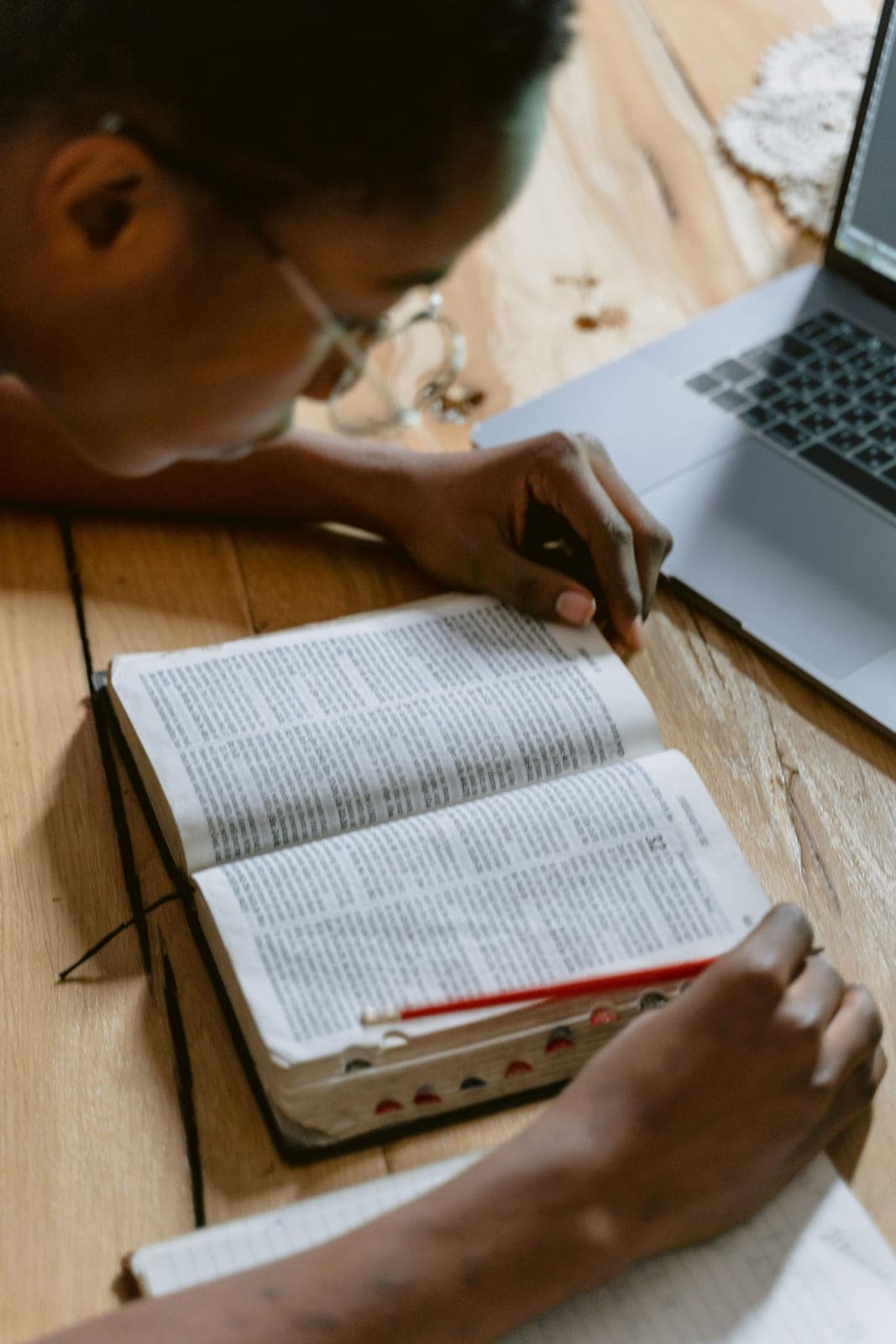
Waiting well is not passive. It is an active discipline of continuing to obey, continuing to worship, and continuing to trust, even when the outcome is not yet visible. This is where character is formed, away from applause, before the breakthrough that would explain it.
Waiting is not the absence of God's work. It is often the very place where His deepest work happens in us.
Consider Hannah in 1 Samuel 1. Her waiting was marked by grief, provocation, and years of disappointment. Yet it was in the temple, in her lowest moment, that she poured out her heart before the Lord and refused to be talked out of her hope. Her waiting was not wasted; it shaped the intensity and clarity of her devotion, and when Samuel finally came, she was ready to give him back to God. The years of longing had enlarged her surrender.
The same is true for us. A promise received too early can be mishandled. God often uses the wait to grow us into people who can carry what we asked for.
What Waiting Is Doing In You
Waiting exposes what we are actually trusting. When the timeline is comfortable, it is easy to believe we trust God; when it stretches past our patience, we discover whether our confidence was in Him or in our plan.
Waiting also loosens our grip. Things we once clutched, an outcome, a relationship, a title, are slowly pried open until our hands are free to hold God Himself. And waiting teaches endurance, the quiet muscle Scripture links again and again to maturity.
But let patience have her perfect work, that ye may be perfect and entire, wanting nothing. (James 1:4, KJV)
Practical Steps for the Waiting Season
Stay rooted in community. Isolation makes waiting heavier than it needs to be, and it is in community that others carry the hope you are too tired to hold.
Keep serving where you are. Purpose does not pause simply because a promise has not yet arrived. Faithfulness in the small assignment is preparation for the larger one.
Journal what you are learning. Waiting seasons often produce insight that only becomes visible in hindsight, and a written record becomes an altar you can return to.
Guard your input. Comparison and endless scrolling will convince you that everyone else has already arrived. Limit the voices that make you resent your own timeline.
Mark God's faithfulness. Remember the prayers He has already answered. A God who was faithful then is not going to abandon you now.
Sacred Ground
Moses turned aside to a burning bush in the middle of an ordinary, unremarkable stretch of desert, and God called that dirt holy. Your in-between may feel like wilderness. It is not empty. It is the place where God meets you, forms you, and prepares you for what He has already promised.
Wherever you are today, be encouraged: the in-between is not empty space. It is sacred ground.
Prayer Points
Father, where waiting has made me weary, renew my strength and steady my hope in Your promises, in the name of Jesus.
Lord, do the deep work in me that this season is meant to accomplish, and help me not to rush ahead of You or lag behind You, in the name of Jesus.